Thousands of children participate in youth sports every year and the sport or sports that they choose range from Acrobatics to Yoga (There is no sport that starts with the letter z, at least not played in America to my knowledge). Children play sports for a variety of reasons as well. They could play for exercise, to socialize, or just good old fashion fun.
It does not matter what sport or sports that the child chooses to participate in, or the reason that they chose to participate at all. What matters is what the child takes away from the sport at the end of the season. Though Many children will never play sports past the little league level, they can learn valuable lessons and skills that will last them a lifetime. Sports teach children life skills like teamwork, dedication, sacrifice, how to recover from failure and too many others to name here. All of the skills that the children learn through sports can be taught by focusing on making sure that they learn sportsmanship.
Sportsmanship is defined by Merriam-Webster as: conduct (as fairness, respect for one’s opponent, and graciousness in winning or losing) becoming to one participating in a sport. This is a life lesson and a skill that will serve children well in all aspect of their lives whether on the playing field, classroom or on the job.
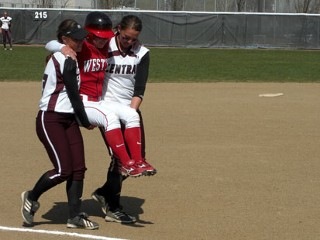
Parents and coaches are responsible for ensuring that players learn sportsmanship when participating in youth athletics because no one will remember the score of a game that they played when they when they were in youth athletics and little league championships do not go on a resume. Focusing on sportsmanship will ensure that the child takes something away from the game that can be applied to other areas of life. Sportsmanship is a people skill that will help the child become a well-rounded productive citizen.
Michael Clarke had a nice article about teaching sportsmanship at his site active.com
 Kingsbridge Little League